ADVERTISEMENT
Absolutely! Here’s a practical and reassuring article for the topic:
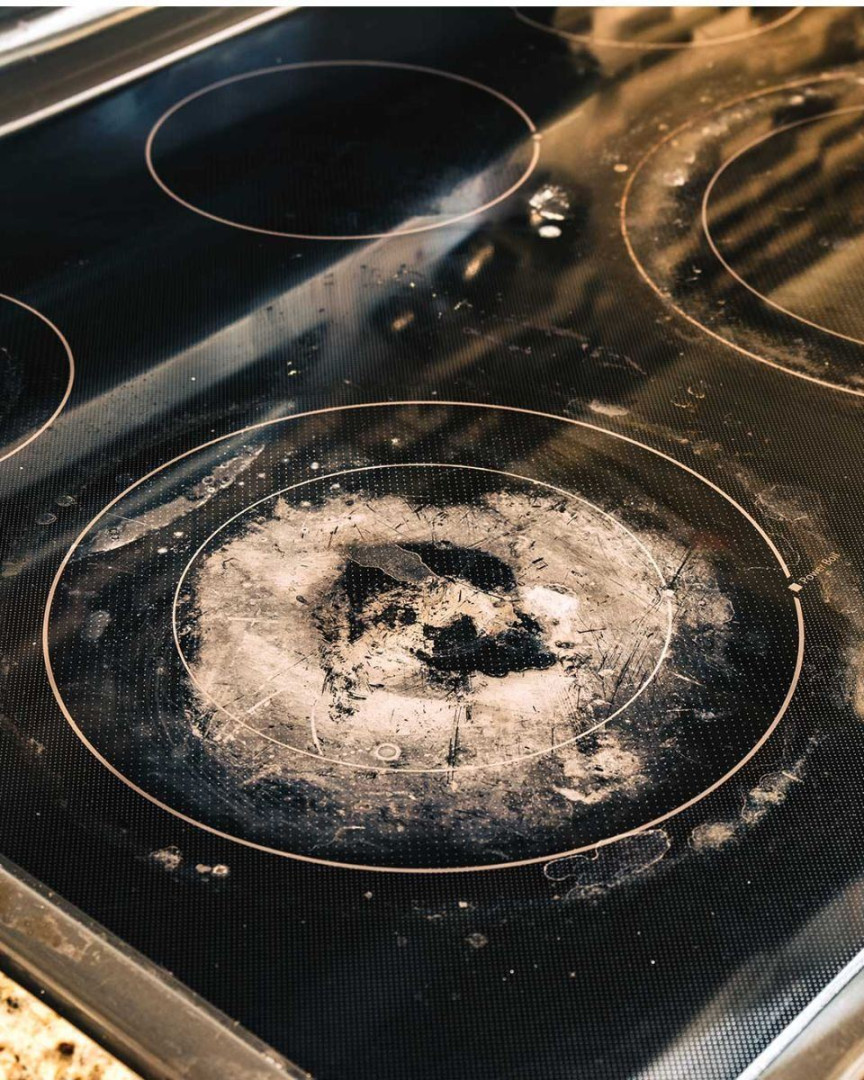
😬 My Glass Stove Top Looks Gross and May Even Be Damaged — What Should I Do?
Don’t panic — here’s a step-by-step guide to help you clean, assess, and possibly restore your glass stove top, even if it’s looking pretty rough right now.
👀 Step 1: Assess the Damage
Before grabbing the cleaner, take a closer look at what you’re dealing with. There’s a big difference between burnt-on mess and actual damage.
Look for:
- White or brown discoloration → usually burnt-on food or mineral deposits
- Black marks → possibly scorched plastic or heavy residue
- Scratches → surface wear, may be cosmetic or deeper
- Cracks or spiderweb lines → dangerous — stop using immediately
🧽 Step 2: Deep Clean the Right Way (No Scratching!)
You’ll need:
- Baking soda
- White vinegar or dish soap
- A soft cloth or non-scratch sponge
- A razor blade scraper (optional, and only for flat cooktops)
- Microfiber cloth for polishing
Cleaning Process:
- Let the cooktop cool completely.
- Sprinkle baking soda over the stained or grimy areas.
- Spray white vinegar on top of the baking soda. It will fizz — this helps break down grease and stains.
- Cover the area with a damp warm cloth and let sit for 15–20 minutes.
- Wipe away with the cloth in a circular motion.
- For stubborn spots, use a razor blade scraper held at a 45° angle — very gently. Always use one designed for cooktops.
- Finish with a glass stove top cleaner or polish for a streak-free shine.
💡 Pro tip: Avoid harsh abrasives, steel wool, or heavy-duty scouring pads — these can scratch the surface permanently.
🧼 Step 3: Prevent Future Damage
Once your glass top looks (almost) new again, protect it! Here’s how:
- Wipe spills immediately, especially sugary sauces or melted plastic
- Use flat-bottom cookware to ensure even heat and avoid surface stress
