ADVERTISEMENT
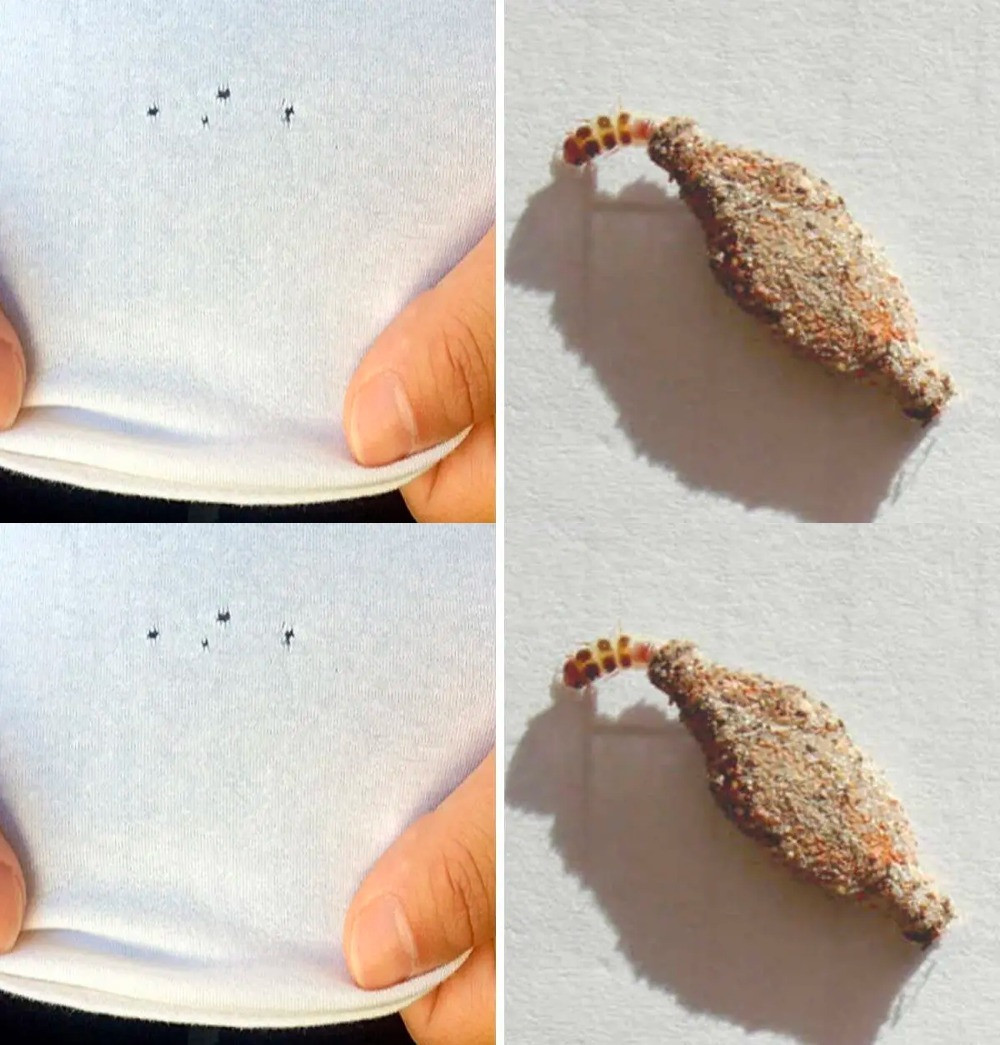
🦋 Why You Should Skip Chemical Mothballs
Traditional mothballs contain naphthalene or paradichlorobenzene, chemicals that release strong fumes — and can be toxic if inhaled over time. They’re not ideal for small spaces like closets or drawers, especially if you have children or pets.
🌿 The Natural Moth-Repelling Remedy
This DIY remedy uses a combination of herbs and essential oils that moths hate — but humans love.
🛒 Ingredients:
- Dried lavender – ½ cup
- Dried rosemary – ¼ cup
- Dried mint leaves – ¼ cup
- Whole cloves – 2 tablespoons
- Cedarwood chips or shavings – optional but powerful
- Essential oils: lavender, eucalyptus, or cedarwood (10–15 drops each)
- Small cotton sachet bags or pieces of breathable fabric (cheesecloth or muslin)
- String or ribbon to tie them closed
🧺 Instructions:
- Mix your herbs in a large bowl. Combine lavender, rosemary, mint, cloves, and cedar chips if using.
- Add essential oils. Drip your oils over the herbs and mix gently to evenly distribute the scent.
- Fill sachets. Scoop the herbal mixture into small cotton bags or fabric squares. Tie them securely.
- Place them strategically. Tuck sachets into:
- Closets
- Drawers
- Storage boxes
- Shoe racks
- Even inside suitcases or garment bags
💡 Bonus tip: Place one sachet in the corner of each closet shelf or hang them on hangers for maximum coverage.
🌸 Why This Works
- Lavender: A natural moth repellent that smells relaxing and floral
- Mint & Rosemary: Sharp scents that moths instinctively avoid
- Cloves: Contain eugenol, which repels insects and adds a warm aroma
- Cedarwood: A time-tested natural moth deterrent — also absorbs moisture
- Essential oils: Boost potency and keep the scent lasting for weeks
🔄 How Often to Refresh
- Every 4–6 weeks, give your sachets a squeeze to revive the scent.
- Reapply a few drops of essential oil if needed.
- Replace herbs every 2–3 months for best results.
